
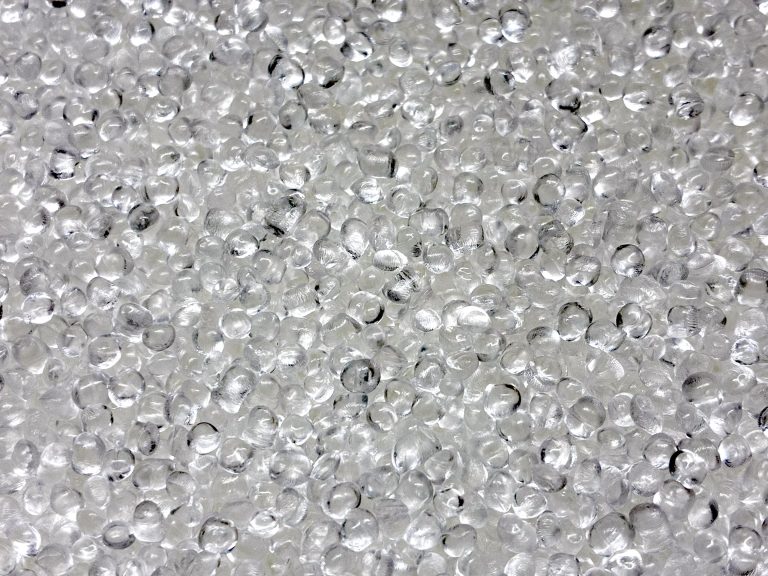





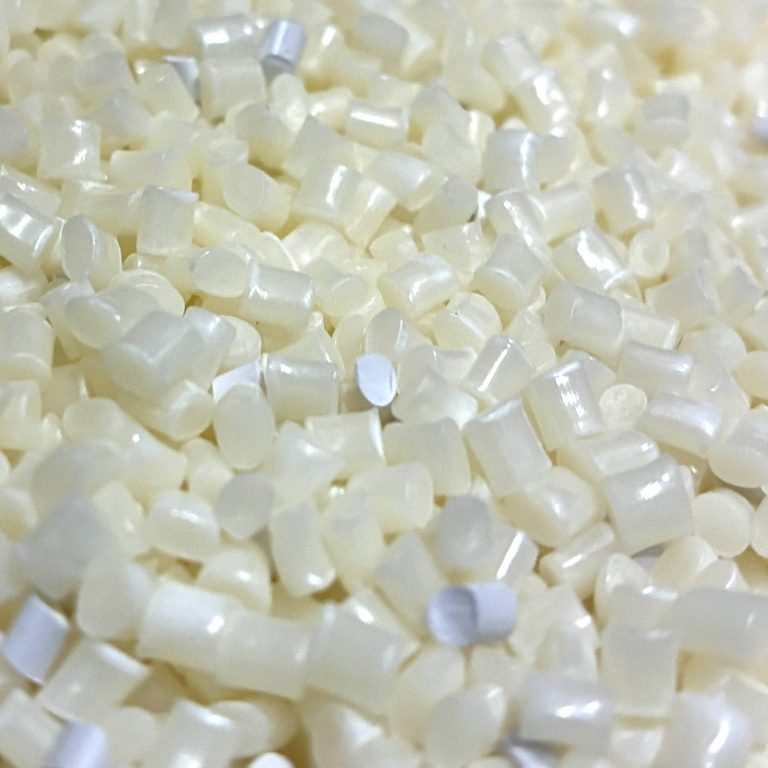
ABS - Acrylonitrile Butadiene Styrene
An amorphous polymer that is a "workhorse" for consumer products. It is cheap, easy to mold, and has good impact resistance, though it lacks the chemical resistance of higher-end engineering resins.
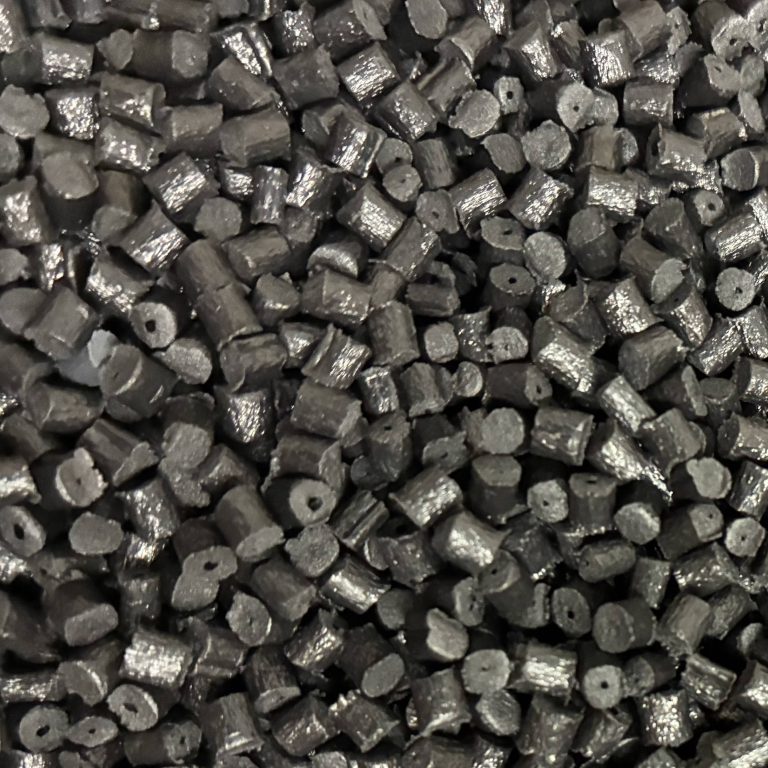
PA - Nylon (Polyamide)
A semi-crystalline plastic known for high strength and fatigue resistance. It is often the default choice for mechanical parts (gears, bushings).
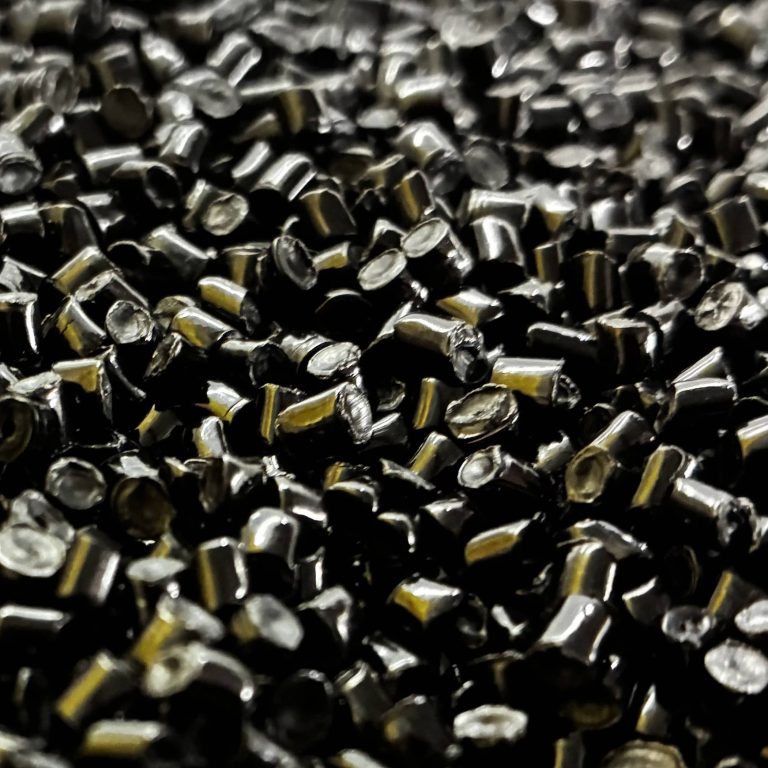
PBT - Polybutylene Terephthalate
Similar to PET but with better molding characteristics and electrical properties. It is widely used in electrical connectors and automotive sensors.
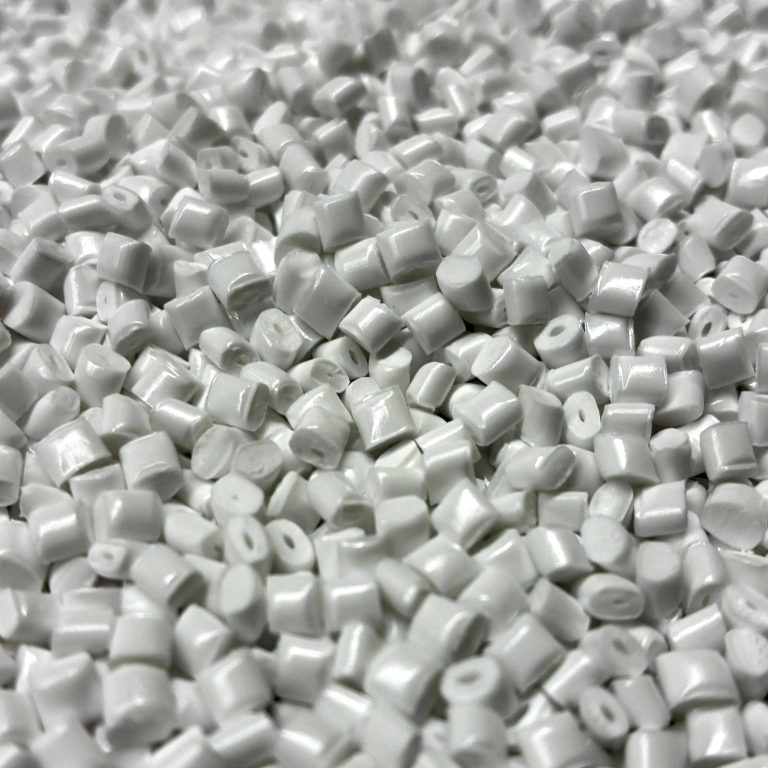
PC - Polycarbonate
An amorphous thermoplastic known for being virtually unbreakable. It is used where clarity and impact resistance are paramount. It is inherently UV sensitive, often requiring additives for outdoor use.
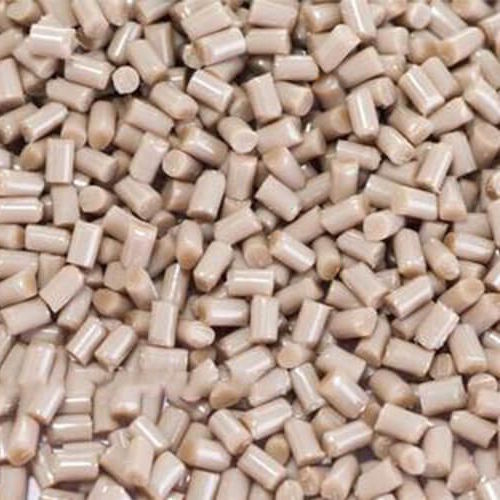
PEEK - Polyether Ether Ketone
A material with ultra-high thermal stability that very few injection molding shops can handle.
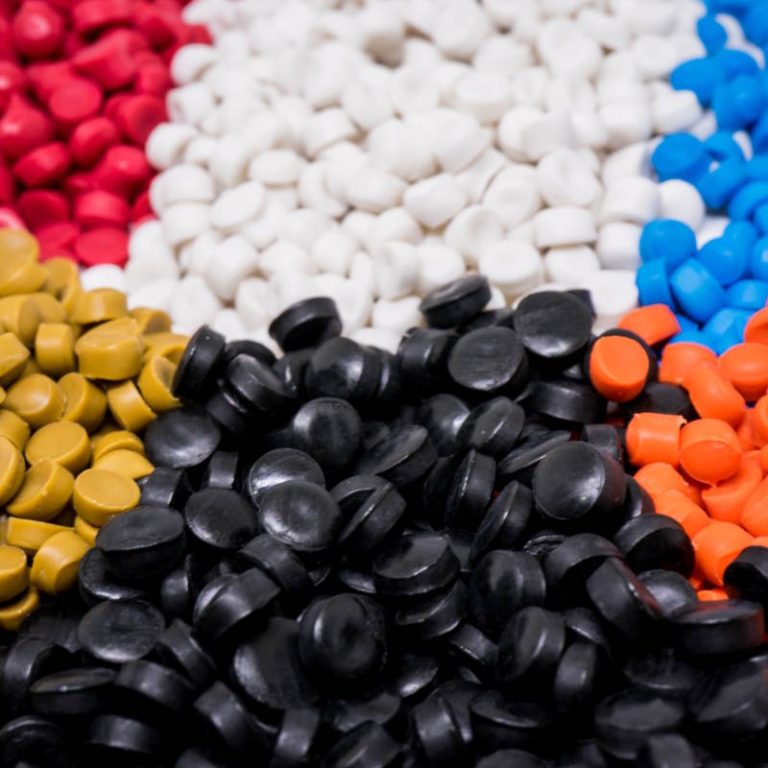
PEI - Polyetherimide
A high-temperature, high-strength amorphous resin. It is the material of choice for demanding aerospace, medical, and electronic applications.
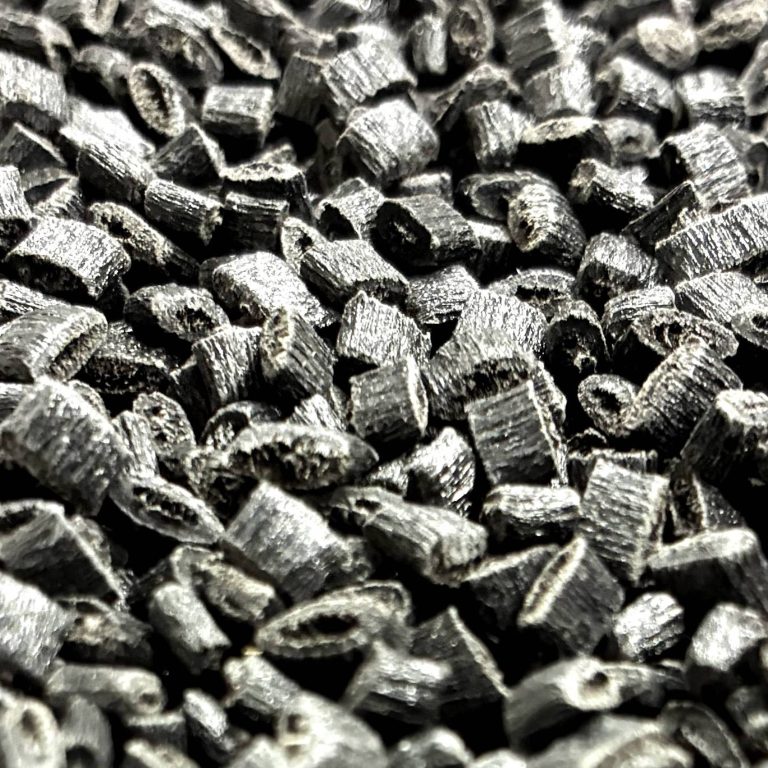
PET - Polyethylene Terephthalate
Often recognized as the material for soda bottles, but in engineering grades, it is used for high-strength, rigid, and chemically resistant parts.
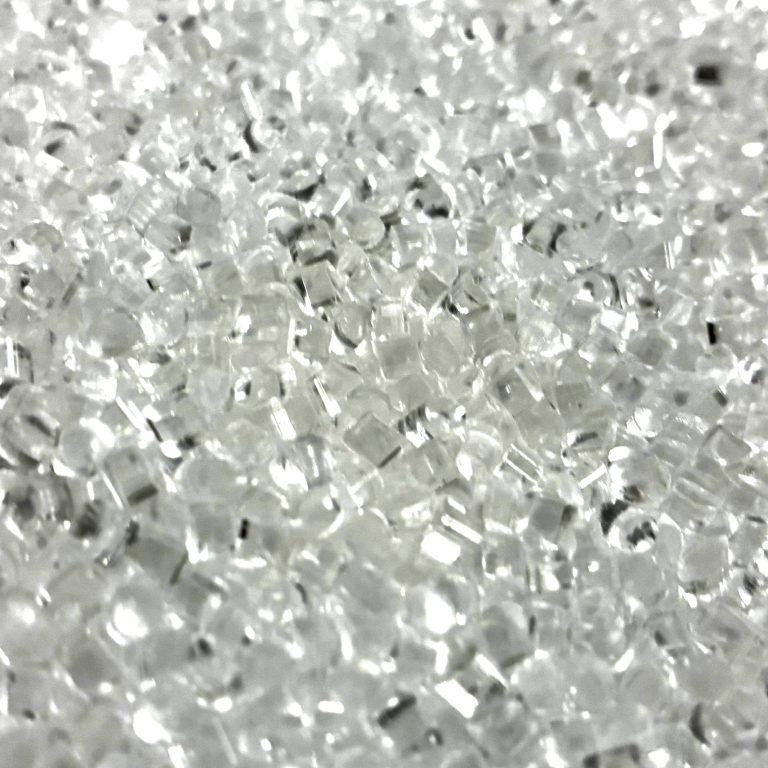
PMMA - Acrylic
The gold standard for applications where optical clarity and surface aesthetics are non-negotiable. PMMA is engineered for light transmission and scratch resistance.
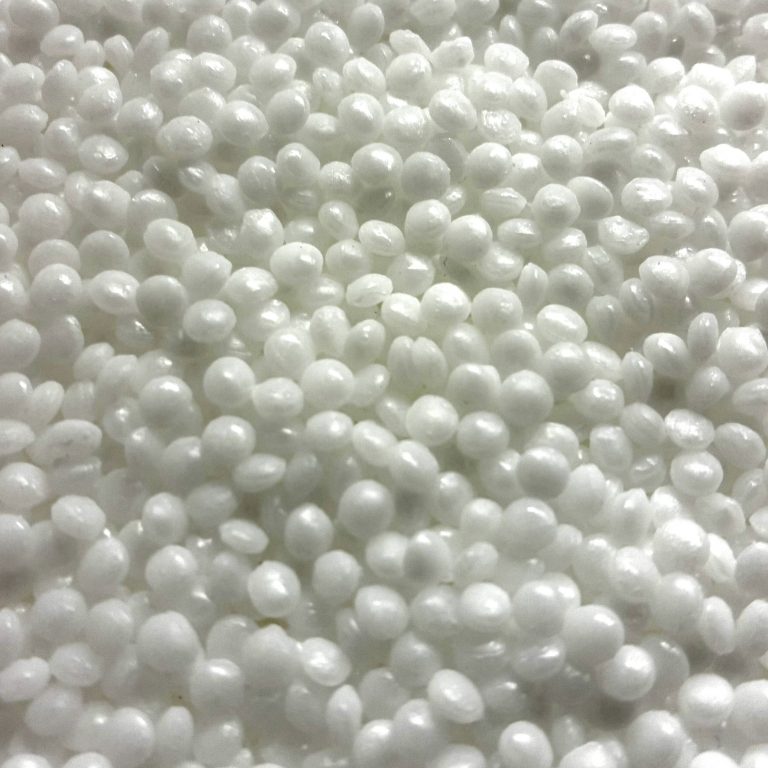
POM - Acetal (Polyoxymethylene)
Known as an engineering "self-lubricating" plastic. It has a very low coefficient of friction, making it the industry standard for moving parts.
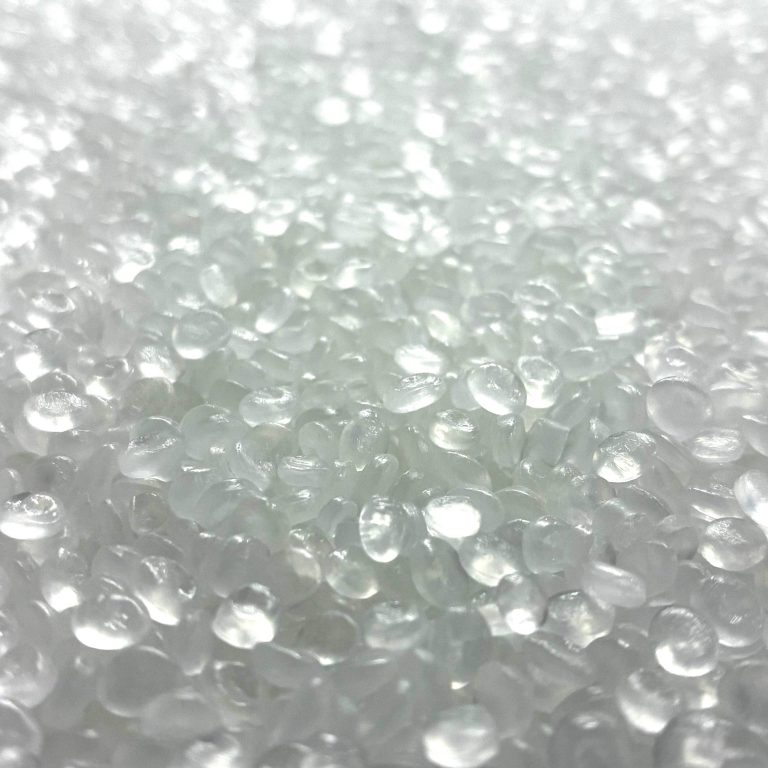
PP - Polypropylene
When your application demands a material that offers an exceptional balance of chemical resistance, fatigue strength, and cost-effectiveness, Polypropylene is often the most logical engineering choice.
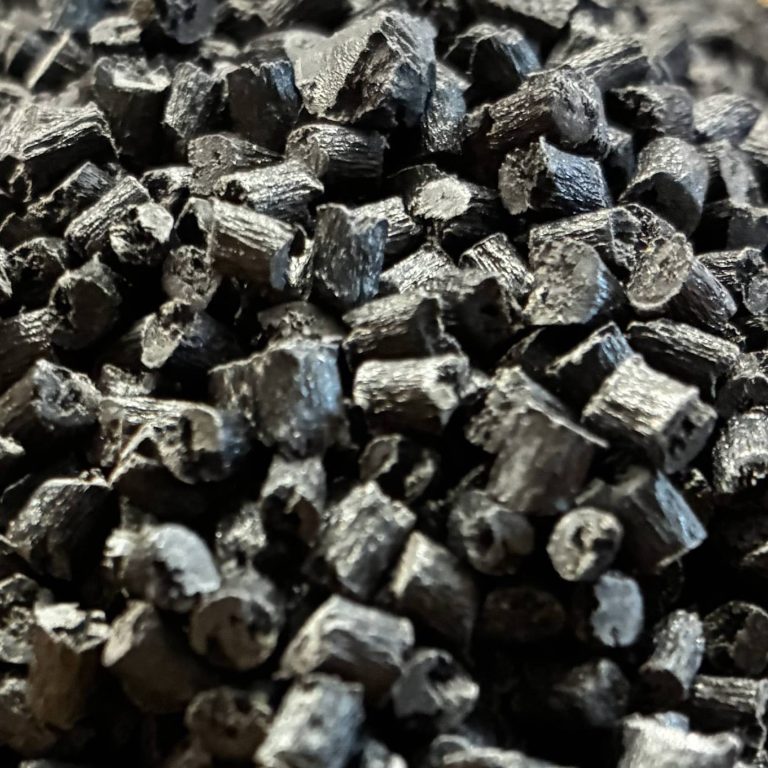
PPE/PPO - Polyphenylene Ether/Oxide
Rarely used in its pure form, it is usually alloyed with other resins (like Nylon or PS). It provides excellent heat stability and dimensional consistency.
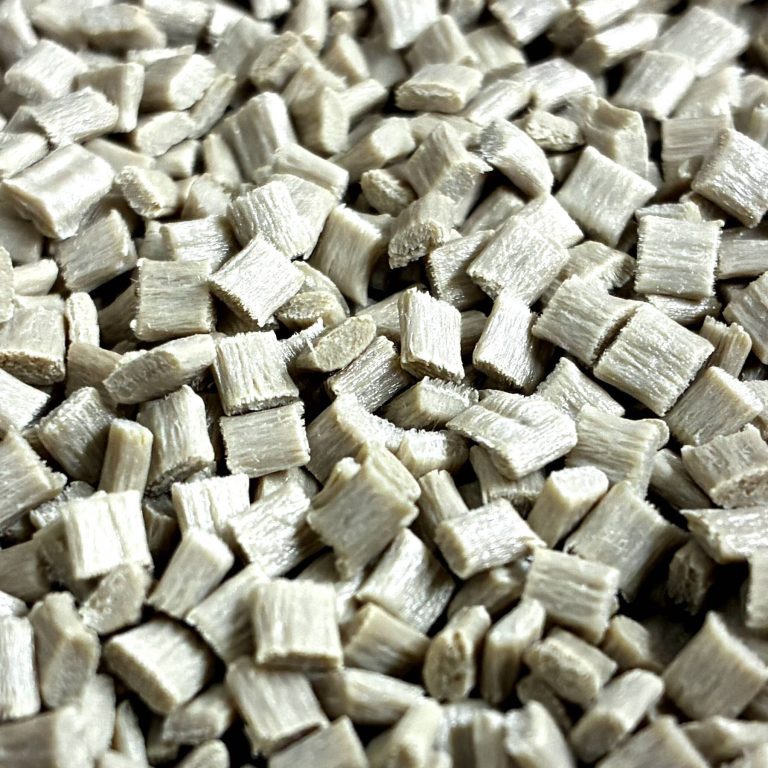
PPS - Polyphenylene Sulfide
A high-performance semi-crystalline resin. It is exceptionally stiff and withstands temperatures that would melt most other plastics. It is favored for under-the-hood automotive components.
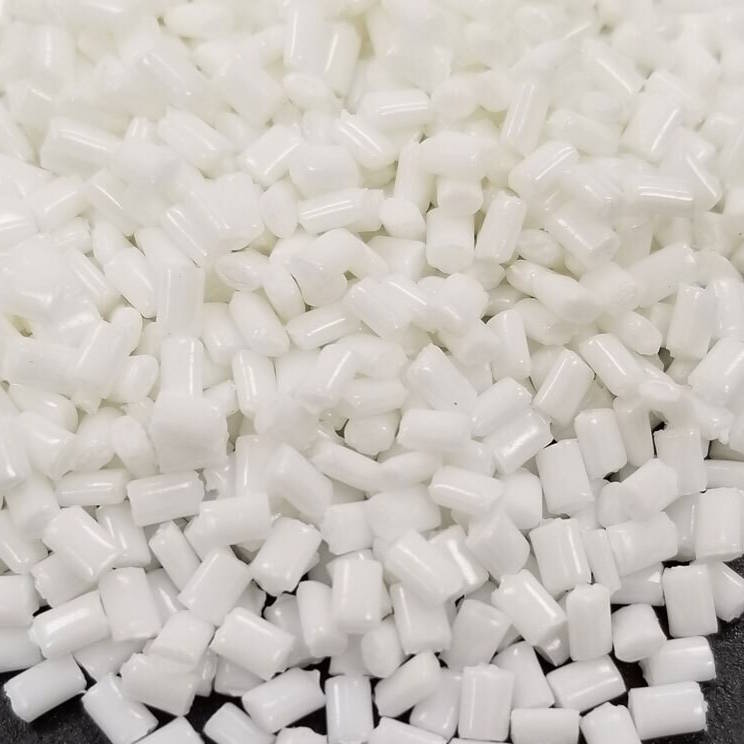
PSU - Polysulfone
A high-performance transparent plastic that maintains its properties over a wide temperature range and is highly resistant to steam sterilization.
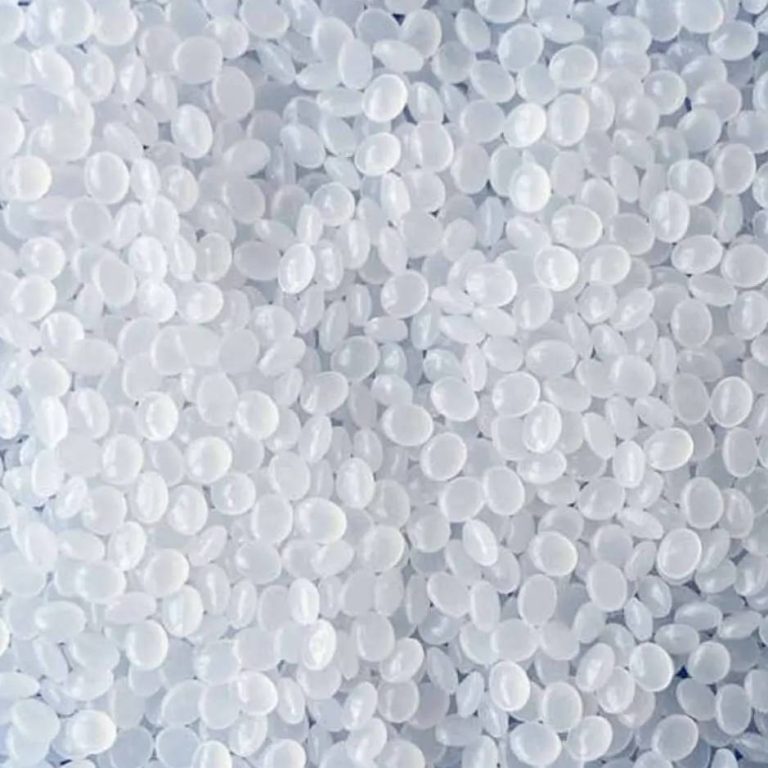
PVC - Polyvinyl Chloride
Whether you are developing rigid, weather-resistant structural components or flexible, resilient seals and tubing, PVC offers an unmatched balance of physical properties - most notably its inherent fire retardancy and exceptional chemical resistance.
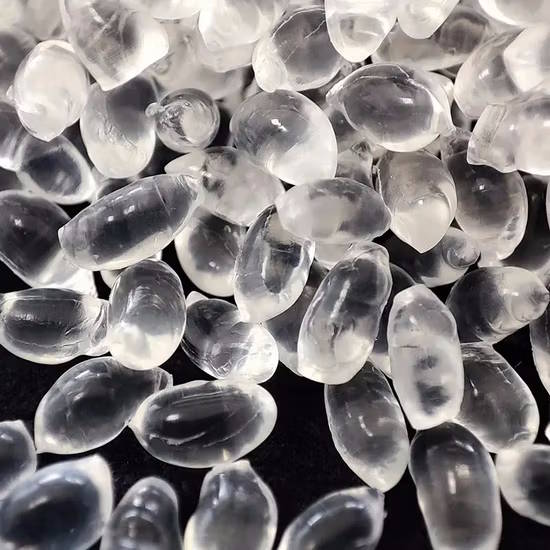
SBC - Styrene-Butadiene Copolymer
In applications requiring a balance of glass-like clarity, high impact toughness, and cost-effectiveness, Styrene-Butadiene Copolymer (SBC) stands out as a premier choice.
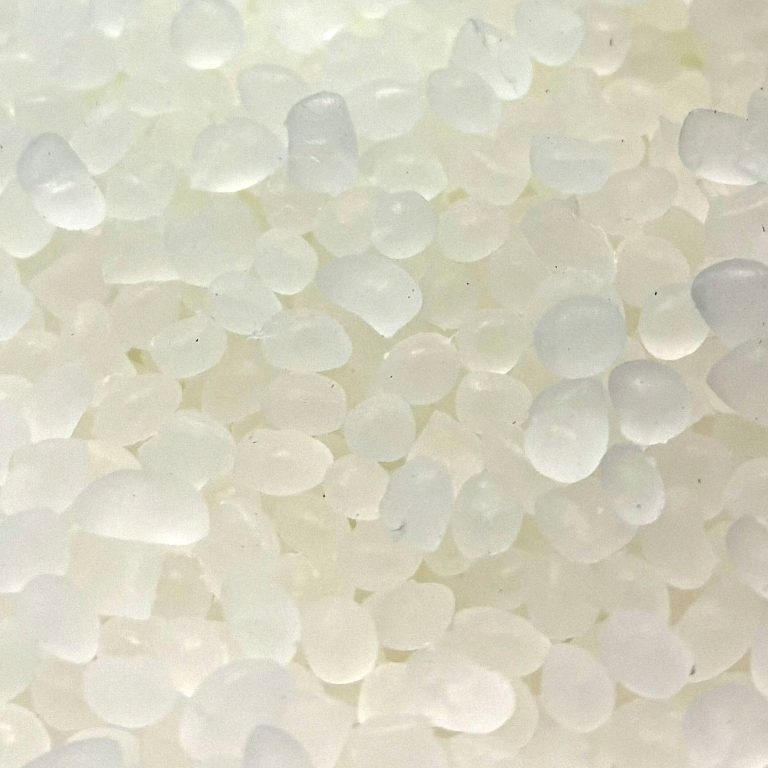
TPE - Thermoplastic Elastomer
A broad class of materials that can be blended for varying levels of "softness" (Shore hardness). They are generally easier to bond to rigid substrates like PP or ABS during overmolding.
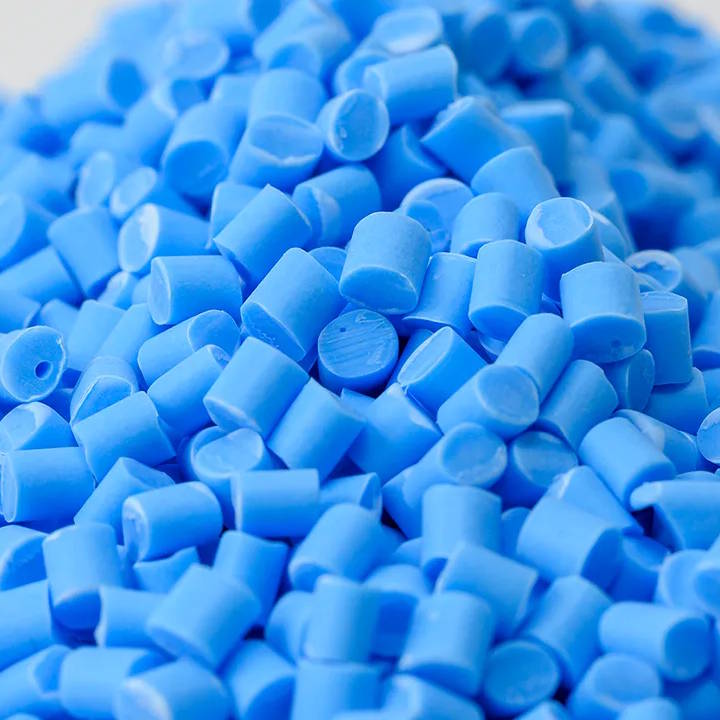
TPU - Thermoplastic Polyurethane
Highly abrasion-resistant and durable. It is the go-to for soft-touch overmolding where the part needs to handle heavy wear (like tool grips).