
PPO Injection Molding (Polyphenylene Ether/Oxide)
Manterra provides PPO injection molding in Delta, BC, Canada. Polyphenylene ether, also called PPO or PPE, is an amorphous engineering thermoplastic specified when a part has to hold its exact dimensions through heat, humidity and hot water while insulating electrical components.
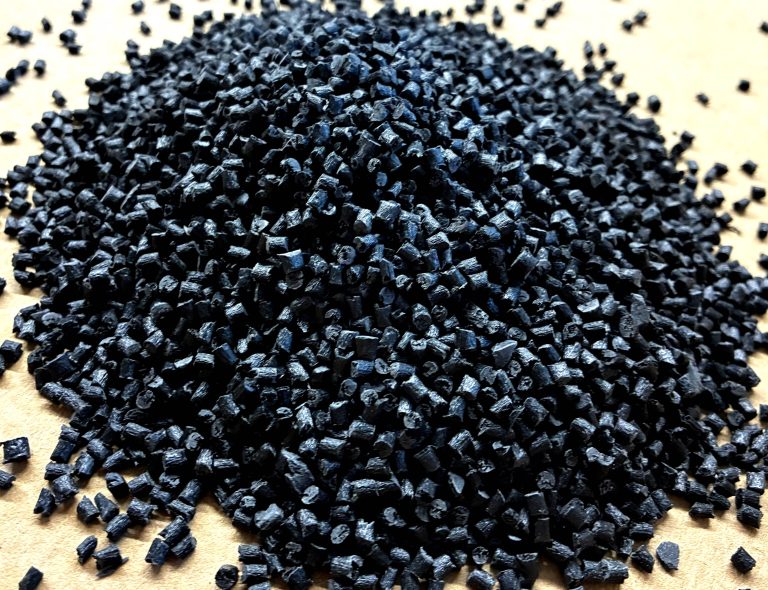
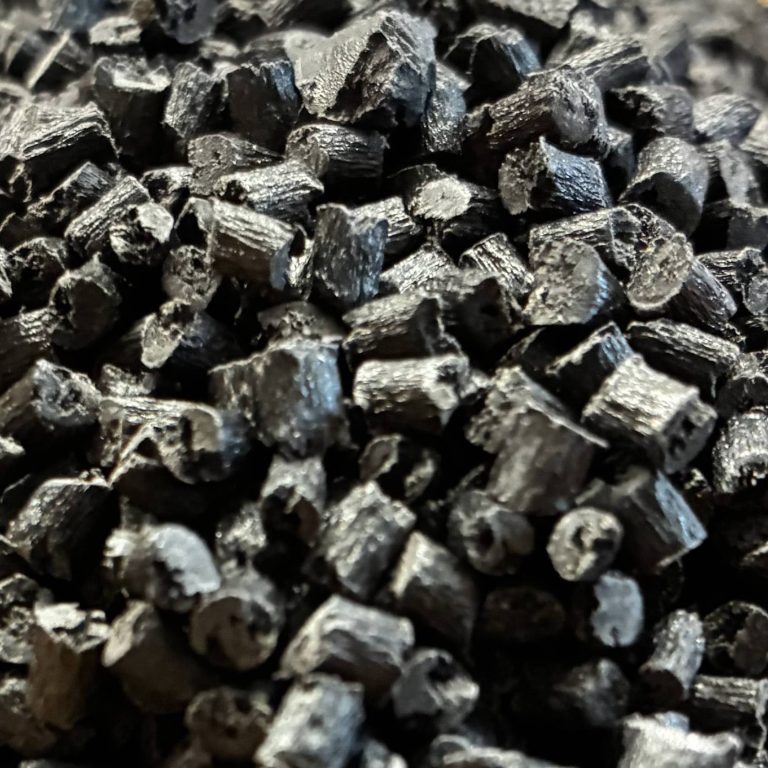
Why Engineers Specify PPO
When your application demands a part that maintains its exact dimensions under high heat and moisture, while providing superior electrical insulation, PPE/PPO (often recognized by the brand name Noryl) is the definitive choice. We understand that PPE/PPO is a specialized resin that requires a sophisticated touch.
- World-Class Dimensional Stability: PPE/PPO has one of the lowest mold shrinkage rates of any engineering thermoplastic. This allows Manterra to hold incredibly tight tolerances on complex, multi-component assemblies.
- Hydrolytic Stability: PPE/PS blends absorb very little moisture and keep their strength and dimensions even in hot water or high humidity. PPE/PA blends absorb more, closer to nylon.
- Exceptional Dielectric Strength: It is a premier electrical insulator, maintaining its dielectric properties over a wide range of temperatures and frequencies.
- Broad Chemical Resistance: PPE/PPO blends resist many acids, bases and detergents, which makes them well suited to water and fluid handling. Aromatic and chlorinated solvents, ketones and some oils are the exceptions.
PPE/PS or PPE/PA? Choosing the Right Blend
Pure PPO is too difficult to mold on its own, so it is almost always blended. PPE/PS blends, the most common, offer the best dimensional stability, very low moisture absorption and excellent hydrolytic stability, and many grades are flame-retardant without halogens, which is why they are used in solar, battery storage and electrical enclosures. PPE/PA blends add the chemical and oil resistance of nylon for under-hood automotive parts, but they absorb more moisture and behave more like nylon in humid environments. Glass-filled versions of both add stiffness.
How We Approach PPO Injection Molding
PPO blends run hotter than ABS or PC/ABS and need warm molds to fill thin walls and produce a good surface. Because they are amorphous, they shrink evenly and predictably, which is what makes tight tolerances achievable on complex housings and multi-part assemblies.
Resin is dried before molding to prevent splay. That matters most for PPE/PA blends, which take on moisture like nylon. With flame-retardant grades, melt temperature is held within a narrow range to protect the flame-retardant additives and keep deposits from building up on the mold.
PPE/PS blends are sensitive to some organic solvents, oils and greases, especially when parts are under stress. We review the cleaners, lubricants and adhesives your part will meet in assembly and service before the grade is finalized.
PPE/PS blends paint well and accept ultrasonic welding and ultrasonically installed inserts. See our Ultrasonically Welded Inserts and Painted & Chrome Plated pages.
PPO Applications
- Renewable Energy: Solar junction boxes, inverter housings, and internal components for battery energy storage systems (BESS).
- Automotive: Water pump impellers, thermostat housings, fluid reservoirs, and high-voltage electrical connectors for EVs.
- Electronics & Telecom: Server chassis components, high-density connectors, and junction boxes for outdoor telecommunications hardware.
- Fluid Handling: Hot water heater components, pump housings for water softeners, and valves for commercial beverage systems.
PPE vs PPO: What’s the Difference?
What’s the difference between Polyphenylene Ether and Polyphenylene Oxide? It is a common point of confusion, but here is the short answer: They are the exact same material.
In the plastics and polymer industry, “Polyphenylene Oxide” (PPO) and “Polyphenylene Ether” (PPE) are synonymous. The difference is purely a matter of chemical nomenclature, not physical properties or performance.