
TPE Injection Molding (Thermoplastic Elastomer)
Manterra provides TPE injection molding in Delta, BC, Canada. Thermoplastic elastomers are engineered blends that behave like rubber but process like plastic, so soft, flexible parts can be molded quickly, either on their own or bonded directly to a rigid part.
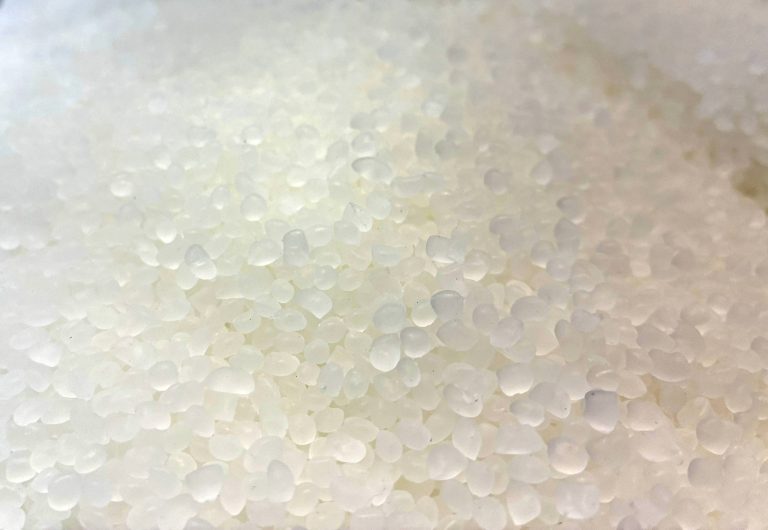
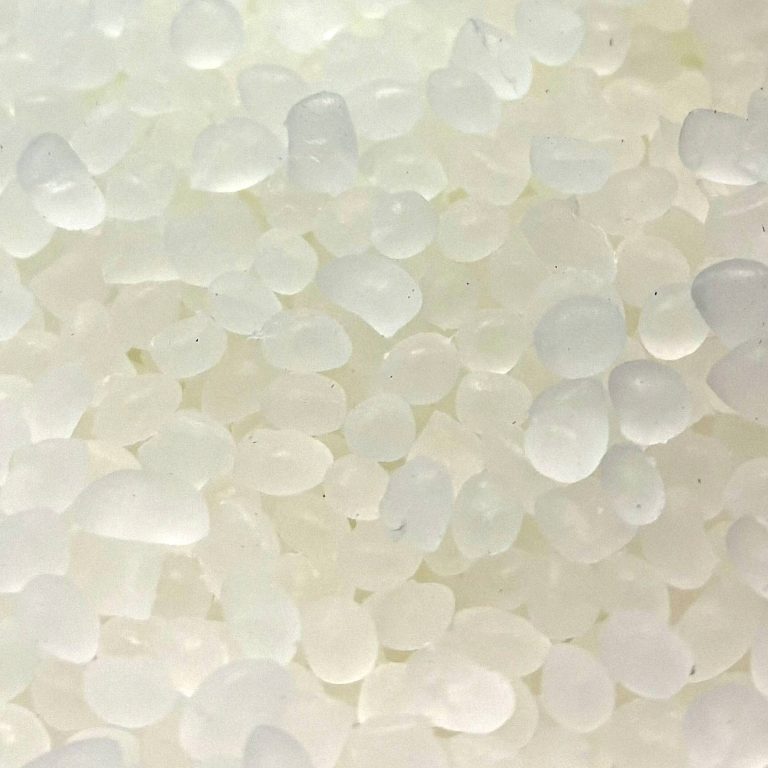
Hardly Just Soft Plastic
The material bridge between the rigidity of plastics and the resilience of rubber. Unlike thermoset rubbers (like EPDM or silicone) that require a slow, permanent vulcanization process, TPE is a true thermoplastic—it can be melted, molded, and recycled. This allows us to integrate rubber-like performance directly into the injection molding workflow, unlocking entirely new possibilities for ergonomic design, sealing, and impact protection.
- Broad Durometer Range: TPE hardness is measured on the Shore A or Shore D scale. We can specify grades ranging from "gummy bear" soft (Shore A 30) for a comfortable grip, to "semi-rigid" (Shore A 90+) for structural impact bumpers.
- Process Efficiency: Because TPE is a thermoplastic, it integrates seamlessly into the injection molding cycle. For high-volume production, we utilize multi-shot molding to inject the rigid plastic and the TPE in a single cycle, eliminating secondary assembly steps.
- Design Versatility: TPE allows for flexible hinges, water-tight gaskets and vibration-dampening feet that are bonded directly to the rigid part, chemically where the materials are compatible or with mechanical interlocks where they are not, so they stay in place without adhesives or assembly.
- Recyclability: Because TPE can be remelted, scrap generated during production can be recycled (under controlled conditions), making it a more environmentally responsible choice than traditional cross-linked rubbers.
We specialize in high-precision TPE processing, particularly in overmolding applications where the chemical bond between the TPE and the rigid substrate is the difference between a premium product and a field failure.
Choosing a TPE Family
“TPE” covers several material families, and the right one depends on what the part has to do. Styrenic TPEs (SEBS) are the most common: soft, easy to colour and well suited to grips and consumer products, though they swell in oils and lose sealing force when hot. TPVs, made from EPDM rubber dispersed in polypropylene, hold up better to heat, oil and long-term compression, which makes them the usual choice for seals. Copolyester TPEs handle higher loads and temperatures. TPU, the toughest and most abrasion-resistant, has its own page.
How We Approach TPE Injection Molding
Soft parts are harder to mold than they look. Very soft grades stick to the tool and stretch during ejection, so parts need generous draft, textured or vented cores and sometimes air ejection. Thin TPE also flashes easily, so tool shut-offs have to be tight.
When TPE is molded onto a rigid part, the bond depends on matching the TPE to the substrate. Standard SEBS grades bond well to polypropylene; specially modified grades bond to ABS, polycarbonate and nylon. Where the materials can’t bond chemically, holes, undercuts or wrap-arounds lock the TPE in place mechanically. See our Overmolded Elastomers and Two-Shot Injection Molding pages.
For TPE injection molding, most styrenic grades need no drying, but copolyester and some specialty grades must be dried before molding.
TPE or Rubber?
Compared with vulcanized rubber, TPE molds in seconds rather than minutes, needs no curing, and its scrap can be reground. Rubber still wins on long-term compression set at high temperatures and in some oils. For medical products, TPE is also a latex-free alternative.
TPE Applications
- Ergonomic Interfaces: Power tool handles, gaming controller grips, appliance buttons, and toothbrush heads.
- Environmental Sealing: Waterproof gaskets for electronics housings, dust seals for industrial equipment, and airtight seals for medical devices.
- Impact & Protection: Protective "bumpers" for portable electronics, shock-absorbing feet for heavy machinery, and cable strain reliefs.
- Automotive: Interior soft-touch trim, grommets, cable seals and vibration-isolating mounts.