
Polypropylene Injection Molding (PP)
Manterra provides polypropylene injection molding in Delta, BC, Canada. Polypropylene is the lightest of the common molding plastics and one of the most chemically resistant, which makes it the first choice for living hinges, containers and fluid-handling parts where low cost and durability matter more than high heat or stiffness.
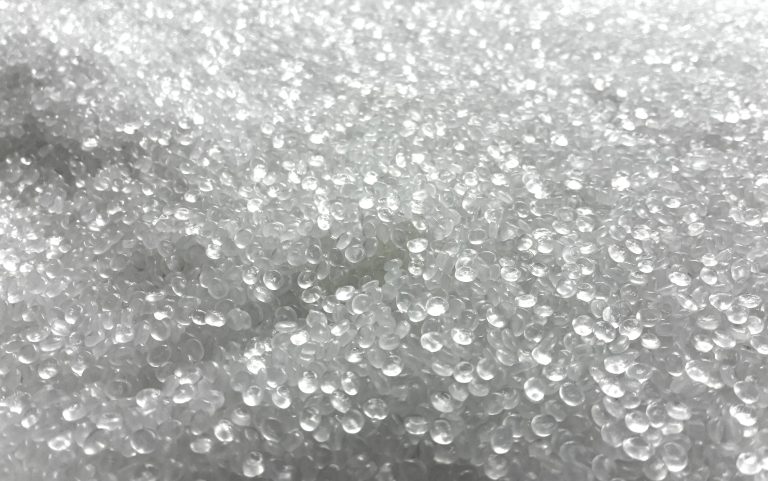
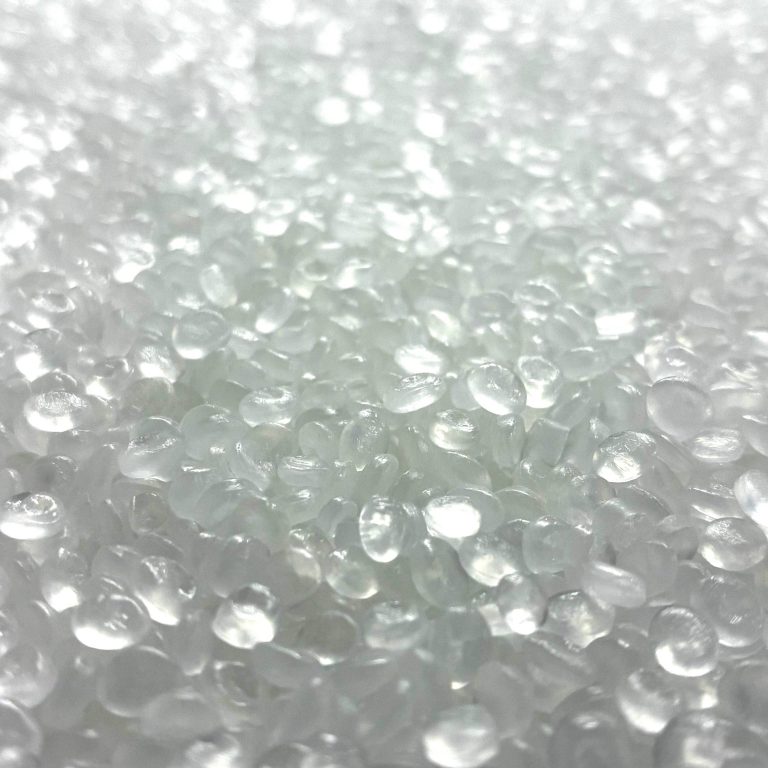
Durable and Chemically Resistant
When an application demands an exceptional balance of chemical resistance, fatigue strength, and cost-effectiveness, PP is often the most logical engineering choice.
- Exceptional Fatigue Resistance: PP is the industry standard for "living hinges", which are parts designed to be flexed hundreds of thousands of times without failing. If your product requires a hinge integrated directly into the molded part, PP is the definitive material.
- Chemical Resistance: PP resists most acids, bases and many solvents at room temperature, with aromatic and chlorinated solvents and strong oxidizers as the main exceptions. This makes it ideal for medical, laboratory and chemical processing environments.
- Low Density (Lightweighting): As one of the lightest engineering resins available, PP is a critical driver for fuel efficiency in automotive design and cost-reduction in shipping.
- Moisture Resistance: Unlike Nylon, PP does not absorb moisture. This ensures dimensional stability in humid environments and allows for a streamlined production process without extensive desiccant drying.
At Manterra, we treat Polypropylene as a precision tool. While it is often associated with high-volume consumer goods, we specialize in its technical application, from automotive interior components that must withstand years of vibration to medical fluid-handling systems that require strong chemical resistance.
Choosing the Right Polypropylene Grade
Homopolymer PP is the stiffest and most heat-resistant grade and the usual choice for living hinges, but it turns brittle near freezing. Impact copolymer stays tough well below 0°C, which matters for parts that ship, store or work through a Canadian winter. Random copolymer is clearer and more flexible, suited to see-through containers and labware. Talc- and glass-filled grades add stiffness and heat resistance for automotive and structural parts. Food-contact and medical grades are available where the application requires them.
How We Approach Polypropylene Injection Molding
In polypropylene injection molding, shrinkage is the main challenge. PP shrinks more than most plastics, typically 1.5 to 2.5%, and it shrinks unevenly in parts with varying wall thickness. Uniform walls, cored-out thick sections and careful gate placement keep parts flat and free of sink marks, and shrinkage is built into the tool so parts hold tolerance.
A good living hinge is designed, not just molded. The hinge is kept thin, the gate is placed so the melt flows across the hinge rather than along it, and the hinge is flexed while the part is still warm so the polymer chains align. Done correctly, a polypropylene hinge can survive hundreds of thousands of cycles.
PP absorbs almost no moisture, so it rarely needs drying before molding. Its waxy surface resists most glues, inks and paints, so parts that need printing, labelling or bonding require a surface treatment first. We’ll flag that at the design stage.
Polypropylene or ABS?
ABS is stiffer, holds tighter tolerances and takes paint and chrome plating easily, so it suits rigid housings with a cosmetic finish. Polypropylene costs less, weighs less, resists far more chemicals and is the only practical choice for living hinges. If your part needs a premium surface, look at ABS; if it needs to flex, seal or survive harsh fluids, choose PP.
Polypropylene Applications
- Integrated Mechanisms: Living hinges for flip-top caps, specialized containers, and fold-flat housings.
- Medical: Autoclavable trays, specimen containers, and pill organizers.
- Automotive: Trim clips, fasteners, fluid reservoir caps, console components.
- Labware & Industrial: Beakers, funnels, chemically resistant piping connectors, and fluid reservoirs.