
A high-performance amorphous thermoplastic specified by engineers when “good enough” isn’t an option for dimensional accuracy and environmental resilience.
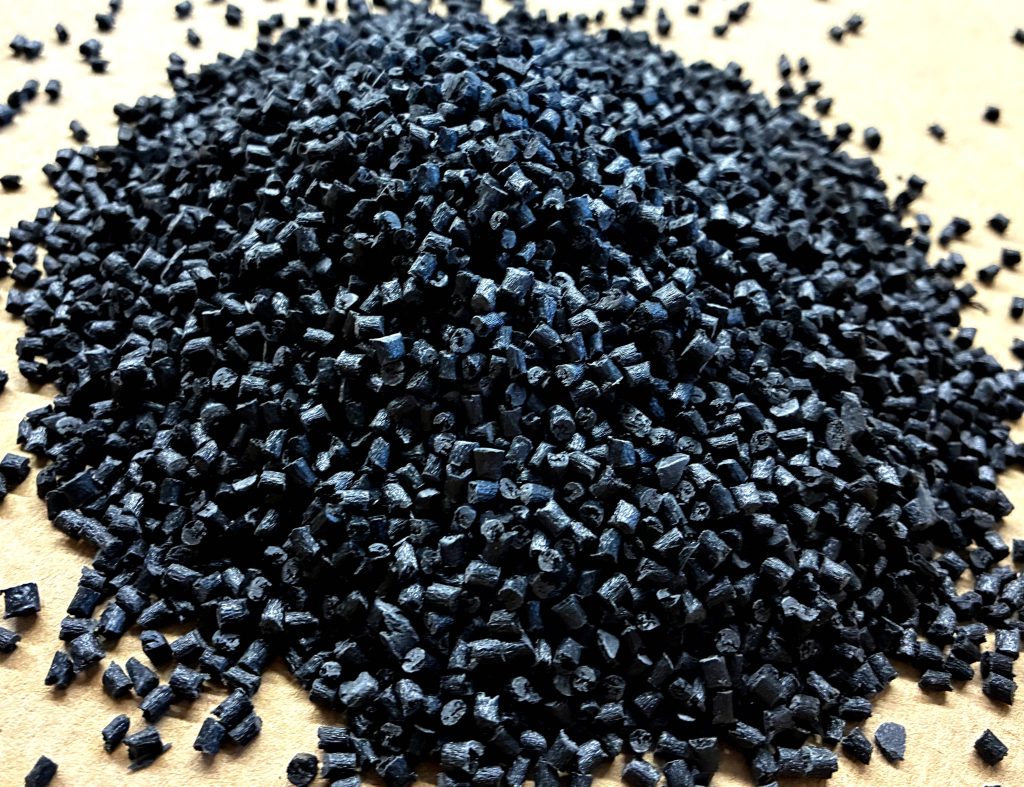
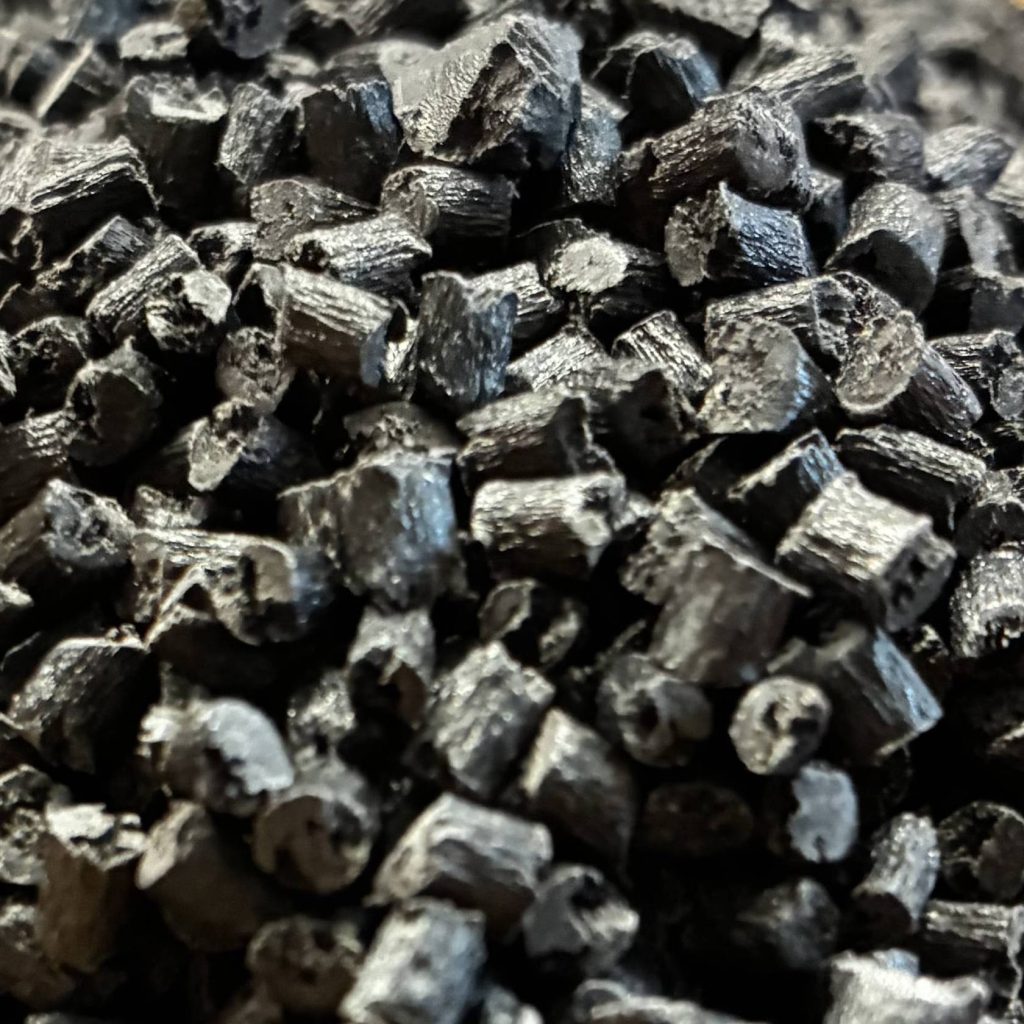
When your application demands a part that maintains its exact dimensions under high heat and moisture, while providing superior electrical insulation, PPE/PPO (often recognized by the brand name Noryl) is the definitive choice. We understand that PPE/PPO is a specialized resin that requires a sophisticated touch.
- World-Class Dimensional Stability: PPE/PPO has one of the lowest mold shrinkage rates of any engineering thermoplastic. This allows Manterra to hold incredibly tight tolerances on complex, multi-component assemblies.
- Hydrolytic Stability: Unlike Nylon, PPE/PPO does not absorb significant moisture. It maintains its mechanical strength and dimensions even when submerged in hot water or exposed to high-humidity environments.
- Exceptional Dielectric Strength: It is a premier electrical insulator, maintaining its dielectric properties over a wide range of temperatures and frequencies.
- Broad Chemical Resistance: PPE/PPO blends offer excellent resistance to many acids, bases, and detergents, making it ideal for fluid handling and harsh industrial environments.
Because pure PPO is notoriously difficult to process, it is almost always utilized as a blend, most commonly with Polystyrene (PS) or Nylon (PA). We bring the technical expertise required to manage these complex blends, ensuring that your parts exhibit the perfect balance of processability and high-end mechanical performance.
- Renewable Energy: Solar junction boxes, inverter housings, and internal components for battery energy storage systems (BESS).
- Automotive: Water pump impellers, thermostat housings, fluid reservoirs, and high-voltage electrical connectors for EVs.
- Electronics & Telecom: Server chassis components, high-density connectors, and junction boxes for outdoor telecommunications hardware.
- Fluid Handling: Hot water heater components, pump housings for water softeners, and valves for commercial beverage systems.
What’s the difference between Polyphenylene Ether and Polyphenylene Oxide? It is a common point of confusion, but here is the short answer: They are the exact same material.
In the plastics and polymer industry, “Polyphenylene Oxide” (PPO) and “Polyphenylene Ether” (PPE) are synonymous. The difference is purely a matter of chemical nomenclature, not physical properties or performance.