
SBC Injection Molding (Styrene-Butadiene Copolymer)
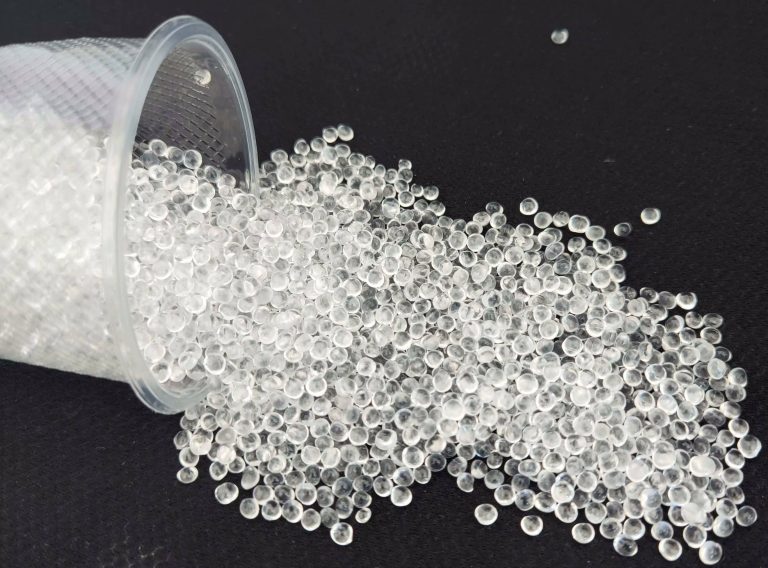
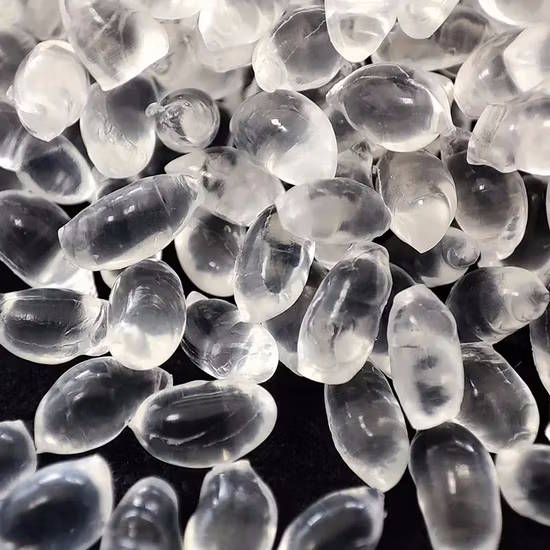
Manterra provides SBC injection molding in Delta, BC, Canada. Styrene-butadiene copolymer is a clear, tough, cost-effective plastic for parts that need glass-like clarity but would crack if molded in standard polystyrene. The rigid, clear SBC grades on this page are different from the soft styrenic block copolymers (SBS and SEBS) used as rubbers, which are covered on our TPE page.
Why Engineers Choose SBC
In applications requiring a balance of glass-like clarity, high impact toughness, and cost-effectiveness, Styrene-Butadiene Copolymer (SBC) stands out as a premier choice. Often recognized under commercial trade names like K-Resin®, SBC bridges the gap between brittle transparent materials (like standard Polystyrene) and expensive engineered transparent polymers (like Polycarbonate).
- Excellent Optical Clarity: SBC provides a crystal-clear, high-gloss appearance with low haze, allowing for excellent product visibility in display and packaging applications.
- High Impact Toughness: Unlike regular polystyrene (which is notoriously brittle), the butadiene blocks within SBC act as internal shock absorbers. This gives the material excellent ductile behavior, meaning it will flex or bend under load rather than shattering.
- Exceptional Blendability: SBC is highly compatible with General Purpose Polystyrene (GPPS). Manterra engineers blend these two resins to customize the exact balance of stiffness, impact resistance, and cost required for your specific product.
- Hingability and Flex Life: SBC exhibits good "living hinge" characteristics for clear applications, suitable for lids and containers that are opened occasionally.
At Manterra, we specialize in maximizing the visual brilliance of SBC while preserving its structural flexibility. Because it is an amorphous polymer with good processing stability, it allows us to run highly efficient production cycles that deliver pristine, high-gloss parts optimized for consumer-facing and medical packaging environments.
How We Approach SBC Injection Molding
SBC is one of the easier clear resins to mold. It absorbs little moisture, usually needs no drying, and flows well into thin walls, which keeps cycle times short. The main risk is overheating: held too hot or too long, the butadiene in SBC can form gels and turn yellow, which shows immediately in a clear part, so melt temperature and residence time are kept in a controlled window.
In SBC injection molding, clear parts show every flaw, so gates, ejector marks and knit lines are placed away from visible surfaces, and parts are handled to avoid scuffs. See our Optically Clear Molding process.
Like polystyrene, SBC can stress-crack when it meets oils, fats and some solvents, including the citrus oils and fragrances in many cosmetics and cleaners. For cosmetic cases and food containers, we review what the part will hold or touch before the grade is finalized.
Limits to Know
SBC softens at around 70 to 80°C, so it is not suited to hot-fill or high-heat use. It can be sterilized by gamma, electron beam or ethylene oxide, but not by autoclave. Its living hinges suit lids that are opened occasionally; for hinges that flex constantly, polypropylene is the better choice.
SBC, Polycarbonate or Acrylic?
SBC costs less than polycarbonate or acrylic and is tougher than acrylic. Polycarbonate is far tougher and handles much more heat; acrylic is clearer, harder and better outdoors. SBC is the right fit for clear parts that need to survive drops at the lowest cost.
SBC Applications
- Medical Devices: Clear diagnostic components, respiratory devices, and trays.
- Display & Retail Packaging: High-end cosmetic cases, display boxes, clear clothes hangers, and protective covers for consumer goods.
- Toys & Novelties: Clear plastic toys, game components, and promotional items that must survive drops and rough handling.
- Housewares & Food Packaging: Clear tumblers, storage bins, refrigerator crisper trays, and lids with integrated flexible tabs.